
Learning
How the curriculum is organised
Across the school, learning is enriched through high-quality experiences alongside building on children’s interests. In Reception, teaching is carefully planned in line with Development Matters in the Early Years Foundation Stage, and in Years 1 and 2 it is guided by the National Curriculum. Our curriculum is thoughtfully tailored to meet the needs of all our children, and we regularly review and evaluate its impact to ensure it remains effective and continues to improve.
How teaching is organised
Our teachers use a range of teaching methods and strategies all with the same purpose; to deliver a balanced and well-rounded curriculum which enables children to learn new skills, retain key knowledge and develop their ability to become effective communicators in all disciplines.
The curriculum will be taught in a variety of ways across the school, to ensure the most effective learning for children. For example, through......
- Whole class lessons; for example in writing, reading and mathematics.
- Re-visiting prior learning to support the development of building links in learning and knowledge retention.
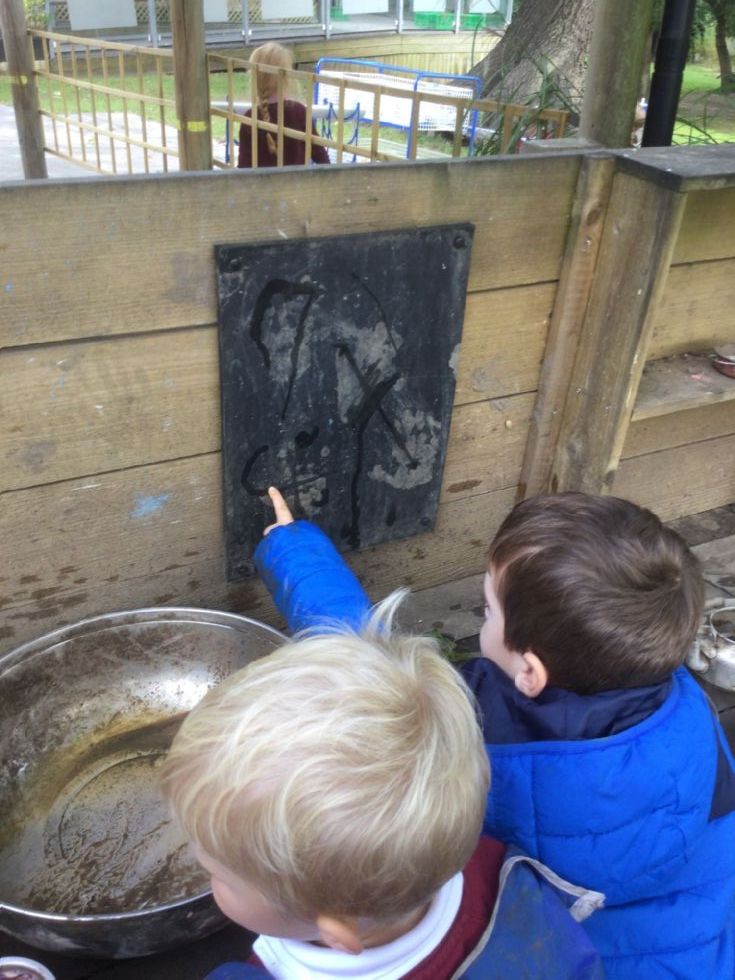
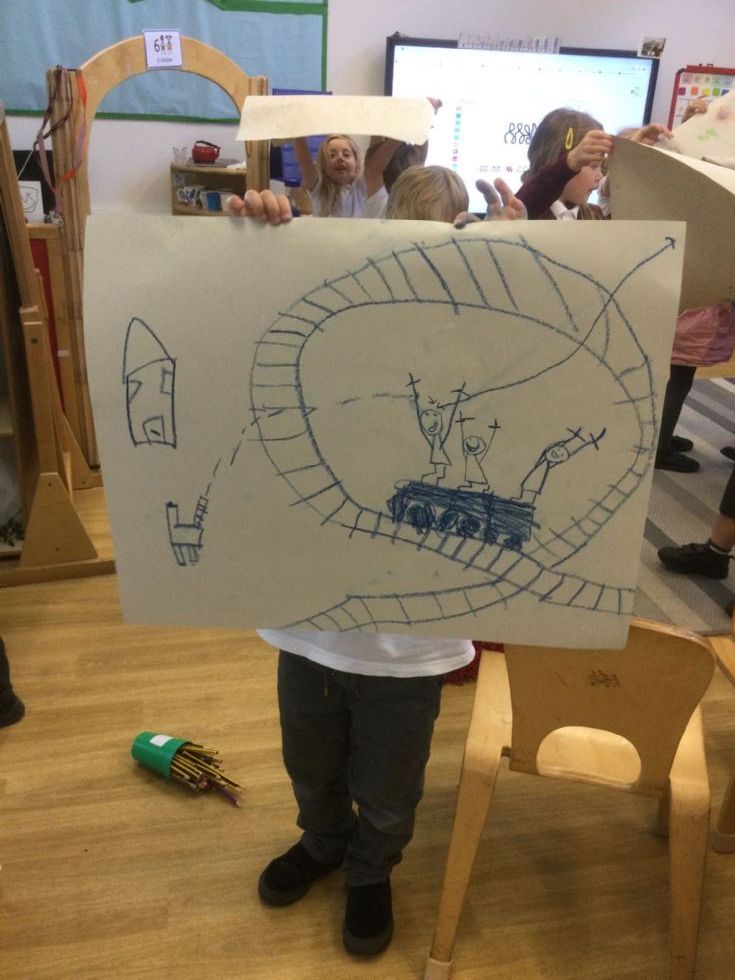
- Play and problem-solving, giving children opportunities to use what they have learnt in their own creative ways.
- Individual or small group teaching to introduce or reinforce a concept or extend a learning activity in a differentiated way to meet children’s learning needs.
- Mixed ability grouping to promote collaboration, learning from one another.
- Immersive opportunities, giving children time within each discipline so they can think, explore and learn effectively.
Curriculum planning is a valued and significant part of teachers’ work. All teachers are allocated a dedicated planning session each week and work collaboratively with their year-group partners during Planning, Preparation and Assessment (PPA) time. Planning is also informed daily through reflection on children’s learning. These sessions focus on designing meaningful learning experiences that support progress and meet the needs of all pupils.
A Community of Learners
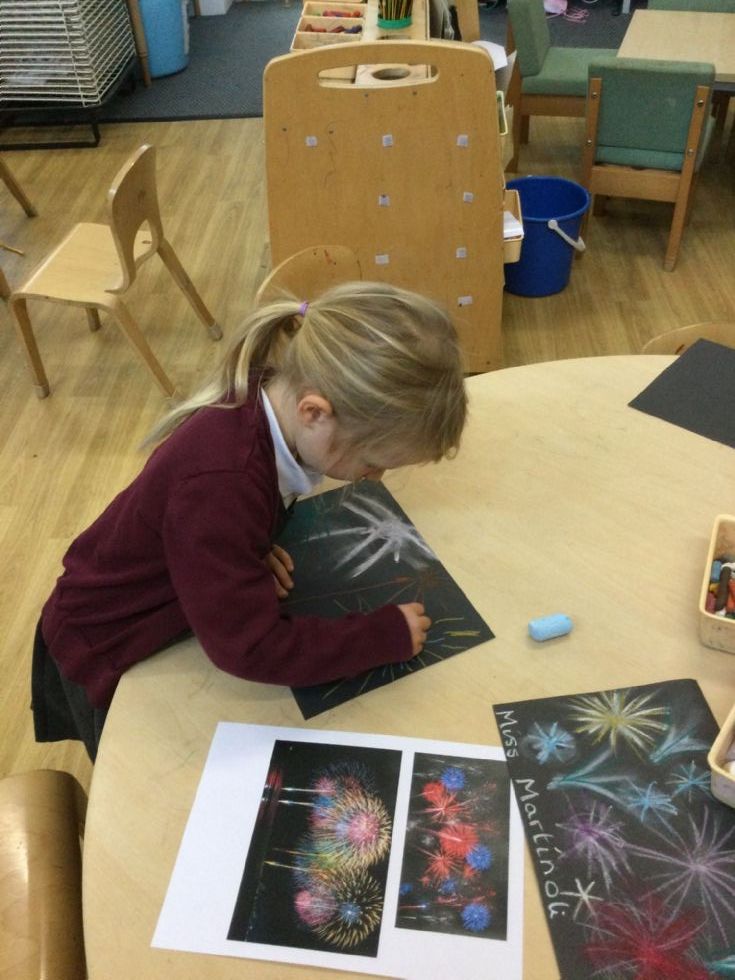
We are committed to developing a strong learning community across our school. Everyone is encouraged to see themselves as a learner, learning with and from one another. We value a range of approaches to learning for both adults and children, with collaboration at the heart of all we do. Children learn independently, in pairs and in groups, working with a wide range of peers to develop meaningful collaboration skills. This approach is consistently modelled by all adults, who actively foster and strengthen our collaborative learning culture. From an early age, children develop a clear understanding of what it means to be an effective learner through discussion and reflection on how they can continue to grow and improve.
We are all learners.
Staff Development
We place a strong emphasis on continuing professional development and provide staff with a wide range of opportunities to enhance their professional practice. These include weekly staff meetings, high-quality training delivered by internal and external specialists, attendance at external courses, peer observations, and collaborative working with colleagues both within school and across the local locality. Staff meetings are held regularly throughout the term, with a clear focus that reflects school priorities and our development plan.
Self-Assessment
Is known to make a valuable contribution to children’s learning, and children throughout the school are now used to being involved in self-assessment. Children are involved in setting and working towards targets and with adult support develop the skills needed to assess for themselves when those targets have been achieved.
Recording Assessments.
Assessment and Testing... are not the same thing! Children’s learning is assessed in a variety of ways, By observing the children, by talking with them about their learning and designing assessment tasks/activities at the end of an area of learning, to find out what children have learnt.
All teachers maintain assessment records, which are shared with the next teacher at the start of each academic year to ensure continuity of learning. Children’s progress in the core subjects is tracked termly through teacher assessment against agreed level descriptors. Learning in the foundation subjects is assessed throughout the year, with end-of-year judgements made using Ready to Progress descriptors. These assessments ensure that each child is working at a level that demonstrates they are secure in their understanding and well-prepared to progress confidently into the next year, building on their existing knowledge and skills.
Statutory Assessment Points:
At the end of Reception, all children are assessed against the Early Years Foundation Stage Early Learning Goals. These assessments are shared with Year 1 teachers to support effective planning for the Autumn term and the start of the National Curriculum.
At the end of Year 1, children complete the statutory phonics screening check. Those who do not meet the required standard receive targeted support in Year 2 and re-sit the check at the end of the year. Assessment outcomes are also shared with our linked school, ensuring continuity of support for any child requiring further intervention.